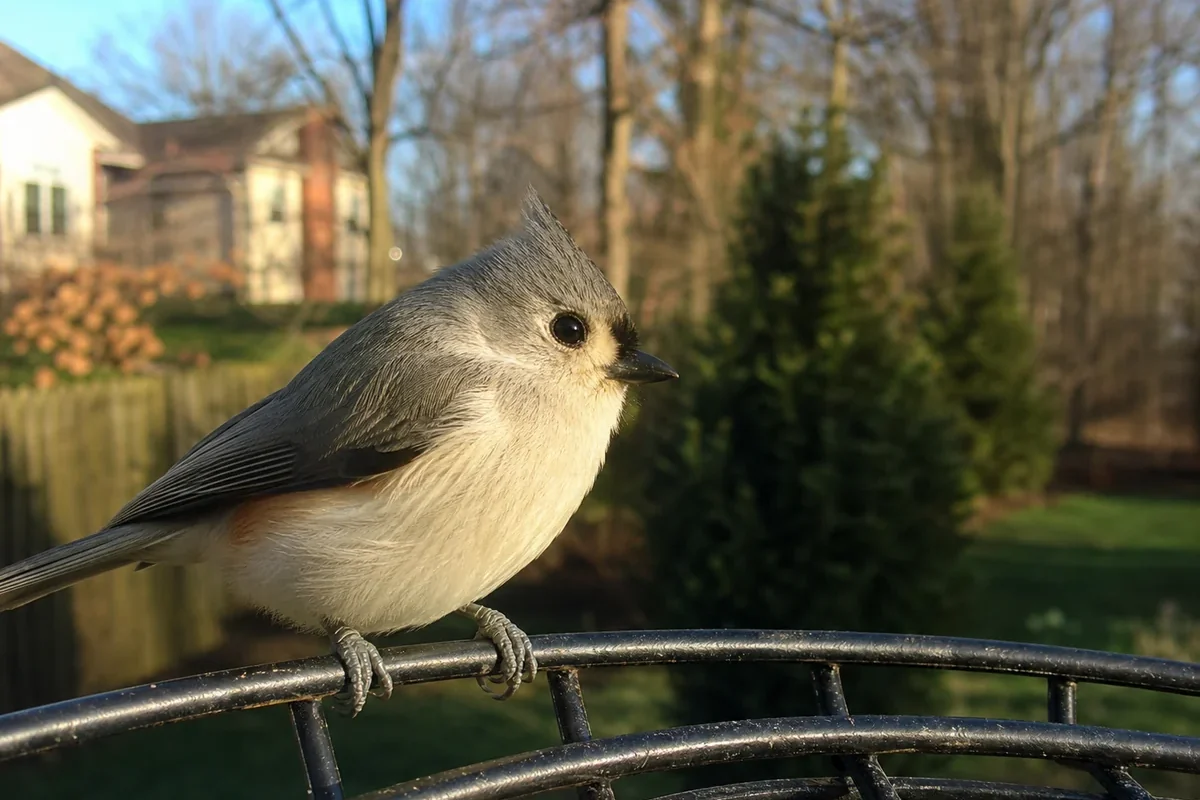
The best bird seed for a backyard feeder depends on the birds in your area, the feeder’s design, and how quickly the food is eaten. An expensive mix is not automatically a better fit. Start with a small amount of suitable seed, watch what visitors actually eat, and adjust one thing at a time.
This guide covers seed feeders for backyard birds. Nectar, suet, and specialist foods need their own compatible feeders and care routines. A camera feeder’s electronics do not change what food its tray, openings, or storage compartment can handle.
Four common seed options
The Cornell Lab of Ornithology’s bird seed guide is a useful starting point. Its North American examples include these broad preferences; local species and conditions can differ.
- Black-oil sunflower: a practical starting choice for many seed-eating birds. Check that your feeder accepts the size and shape.
- Sunflower hearts or chips: less shell debris, but exposed kernels can spoil quickly when wet. Offer modest amounts and monitor freshness.
- Nyjer: commonly offered to small finches in a feeder designed to retain the tiny seeds. It may leak from an unsuitable tray or opening.
- White proso millet: attractive to several ground-feeding species. Use a suitable, well-drained arrangement and monitor uneaten food.
Match the seed to the feeder before filling it
Read the feeder’s food instructions first. Look at the openings, tray depth, drainage, and how the food moves from storage to the eating area. Tiny seed may escape through a gap; larger pieces may not move through a narrow opening. If the manufacturer does not list a food as compatible, ask before experimenting.
For a new feeder, photograph the empty tray and then add a small test amount. Check whether seed lands where birds can reach it and whether it remains in place. A large fill can hide a poor fit until much more food has become wet or spilled.
Run a simple observation log
Use the same short note format each time you check the feeder: date, seed type, amount added, weather, visitors observed, and food remaining. The purpose is to spot a pattern in your own yard, not to declare a universal winner after one busy afternoon.
If you use a camera, save a few representative clips and compare them with direct observations. Automated species suggestions can be a starting point for identification, but check unfamiliar birds against a regional guide. Do not treat an empty recording history as proof that no birds visited; camera settings and coverage can affect what was captured.
Try changing the seed or the location separately. If both change at once, it becomes harder to tell what helped. Keep the feeder accessible for checks while you observe the results.
Use food waste as a clue
A pile beneath the feeder needs a closer look. It may contain empty shells, intact seed, or a mixture of both. Before buying another blend, identify what is being discarded and whether the opening or tray allows food to fall out too easily.
Check after rain rather than assuming a roof kept every part dry. Remove wet or spoiled food and use the cleaning method recommended for the feeder’s removable parts. Keep camera and power components away from any washing procedure unless the manual explicitly allows it.
For cleaning intervals and a linked wildlife-care reference, read how to keep a backyard feeder cleaner. Fresh seed cannot compensate for dirty food-contact surfaces.
Frequently asked questions
Why are birds leaving part of a mix behind?
The mix may include seeds your local visitors do not prefer, or its contents may not suit the feeder. Check the intact leftovers before changing the food. A smaller purchase is useful while you test.
How long will it take birds to use a new feeder?
There is no dependable deadline for every yard. Local birds, surrounding habitat, food availability, and disturbance all influence visits. Keep checking freshness while you wait rather than repeatedly topping up unused seed.
Can every camera feeder dispense any bird food?
No. Check the specific model’s instructions for compatible food and accessories. Choose the food and feeder together.
Explore FurPerch bird feeders, then use our camera bird feeder setup checklist before the first fill.